


 Cart is empty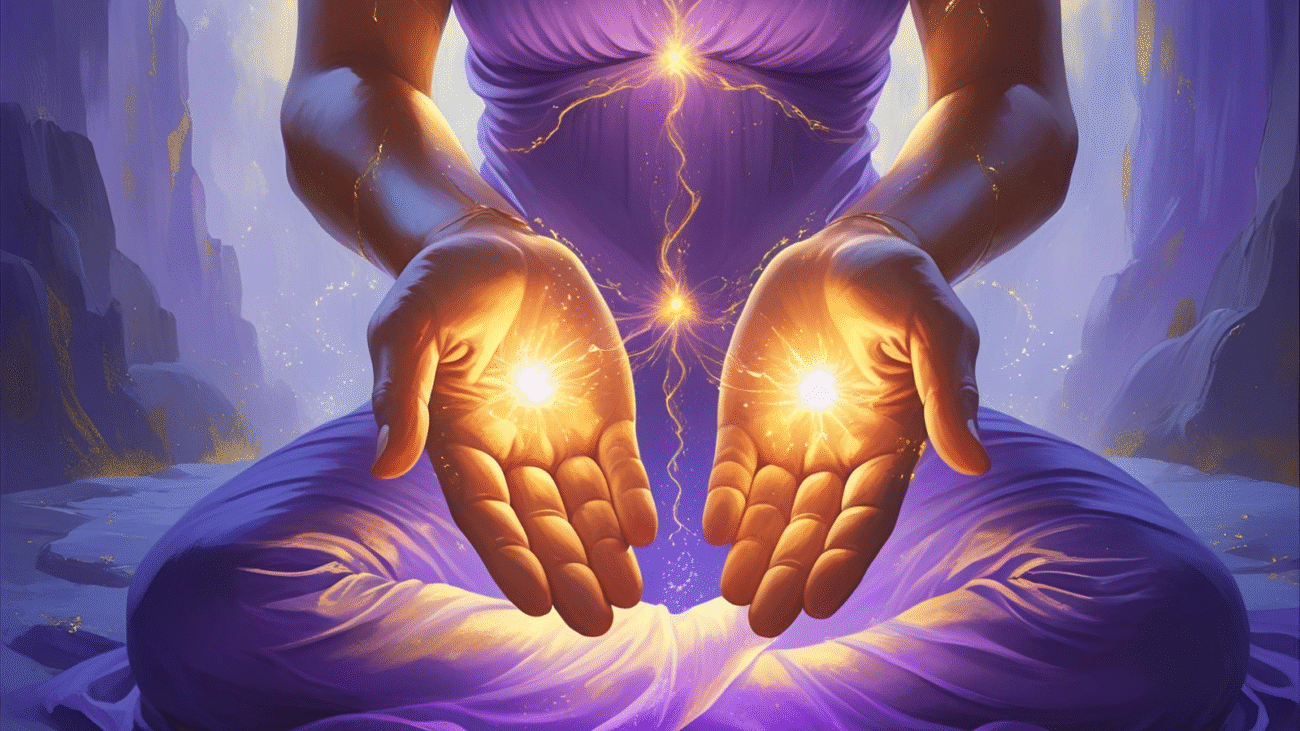
Imagine we’re sharing a cup of coffee and you lean in, curious: “So, what’s Reiki actually like?”
Reiki is one of those experiences you can’t fully grasp with words—but here’s my best attempt to walk you through it.
What Does Reiki Actually Feel Like?
- Reiki feels unique for everyone, but most people describe:
- A gentle warmth or tingling wherever the practitioner’s hands hover or lightly touch
- Subtle waves or pulses of energy moving through your body
- A deep, floaty relaxation—like that dreamy moment just before sleep
- Emotional release: tears, laughter, or a sudden shift in mood
- A cool breeze or chill sensation, often around your face or feet
- The sense of extra hands or a peaceful presence nearby (totally normal, not spooky!)
- And if you don’t feel any of this? That’s perfectly fine. Reiki works whether you sense it or not.
What’s Happening During a Session?
Reiki is an energy-healing practice tapping into your body’s innate ability to heal.
You remain fully clothed, lying down or sitting comfortably.
The practitioner places their hands on or just above you, channeling universal life force (Chi, Prana, or Spirit) to wherever it’s needed most.
Your only job is to breathe and receive.
Energetically, Reiki helps rebalance your chakras and energy pathways, inviting your nervous system to shift from fight-or-flight into deep rest-and-digest—like hitting a reset button for your mind, body, and spirit.
Is It All in Your Head?
Science hasn’t fully unraveled the “energy” side of Reiki, but research shows it activates the parasympathetic nervous system—the part responsible for calming you, lowering blood pressure, and promoting healing.
That’s why many hospitals and wellness centers offer Reiki alongside conventional care for chronic illness, anxiety, cancer support, and post-surgery recovery.
The mechanism might still be a mystery, but the soothing effects are very real.
Why Do Emotions Surface?
When your body relaxes deeply, buried emotions often uncoil—tears, laughter, vivid memories—any of these can bubble up.
You might not know exactly what you’re releasing, and you don’t have to relive trauma.
Reiki simply meets you where you are, gently nudging out what no longer serves your highest good.
Many leave feeling lighter, like they’ve shed unseen emotional weight.
Common Benefits
Think of Reiki as an energetic tune-up. Regular maintenance keeps your “inner engine” running smoothly, which can lead to:
- Reduced stress and emotional balance
- Better sleep and lower anxiety
- Pain relief and faster physical recovery
- Sharper mental clarity and improved mood
- A deeper sense of spiritual connection or calm
- Support through grief, burnout, and life transitions
Combining Reiki with Other Treatments
Reiki is complementary—it doesn’t replace medical care but enhances it.
Whether you’re recovering from surgery, undergoing cancer treatment, or managing chronic pain, Reiki makes the journey more bearable.
Studies suggest Reiki can lessen post-op pain, speed up healing, and ease treatment-related nausea and fatigue.
Always inform your healthcare team when you add Reiki to your wellness plan.
What If You Don’t Feel Anything?
Totally normal to have a subtle first session.
Some experiences are electric; others feel like peaceful quiet.
The benefits often accumulate over multiple sessions, and you might notice shifts hours or even days later.
Chakra Balancing & the Energy Body
Chakras are energy centers within you. When one gets blocked, you might feel tension, fatigue, or mood swings.
Reiki helps clear those blockages, restoring flow and harmony.
You might notice buzzing, pulsing, or emotional waves as individual chakras realign—a sign your energy body is rebooting and finding balance.
Bottom Line: Reiki Feels Like Coming Home to Yourself
Whether warm and tingly or simply serene, Reiki invites you back to your inner calm.
You don’t have to understand every detail—just show up, stay open, and let the energy guide you.
FAQ
Q: What does Reiki feel like physically?
Warmth, tingling, pulsing, cool breezes—or sometimes nothing at all, yet still effective.
Q: Is Reiki safe with medical treatments?
Yes. It’s a non-invasive complementary therapy that supports healing alongside conventional care.
Q: Can Reiki help with anxiety, sleep, or pain?
Many people report improvements in mood, sleep quality, anxiety levels, and physical discomfort.
Q: Is Reiki spiritual or religious?
It’s spiritual in nature but not tied to any specific religion—focused on energy, balance, and peace.
Q: Can I do Reiki on myself?
Absolutely. Self-Reiki is a powerful act of self-care.
Q: How often should I get Reiki?
Listen to your body. Some people benefit weekly, others monthly—whatever feels right for you.
Curious to try it for yourself?
Book a personal distance session: Reiki Sessions